Planning a hotel renovation requires more than determining how much capital is available to spend. A well-developed hotel CapEx (capital expenditure) budget helps hotel owners, ownership groups, REITs, and management companies prioritize investments, protect asset value, meet brand requirements, and align renovation projects with long-term business goals.
Whether you’re preparing for a Property Improvement Plan (PIP), planning renovations across a portfolio, repositioning an asset, or renovating a single hotel, your CapEx budget should serve as a strategic roadmap that guides investment decisions before construction begins.
A successful hotel renovation CapEx plan helps ownership teams answer important questions, including:
- Which renovation projects should be prioritized?
- How should capital be allocated across multiple properties?
- What upgrades should be made to technology, maintenance, and sustainability?
- When should renovations take place?
- Which investments create the greatest long-term value?
- How can renovations be completed while minimizing disruption to hotel operations?
The strongest CapEx plans do more than assign dollars to projects. They provide a framework for making informed decisions that balance guest experience, operational performance, brand compliance, and long-term asset value.
How Do Hotel Renovations Fit Into a Capital Expenditure Budget?
Hotel renovations represent one of the largest categories within a property’s long-term capital investment strategy. Unlike operating expenses, which cover the day-to-day costs of running a hotel, capital expenditures are investments that maintain, improve, or extend the useful life of the property.
Renovation-related CapEx commonly includes:
- Guest room renovations
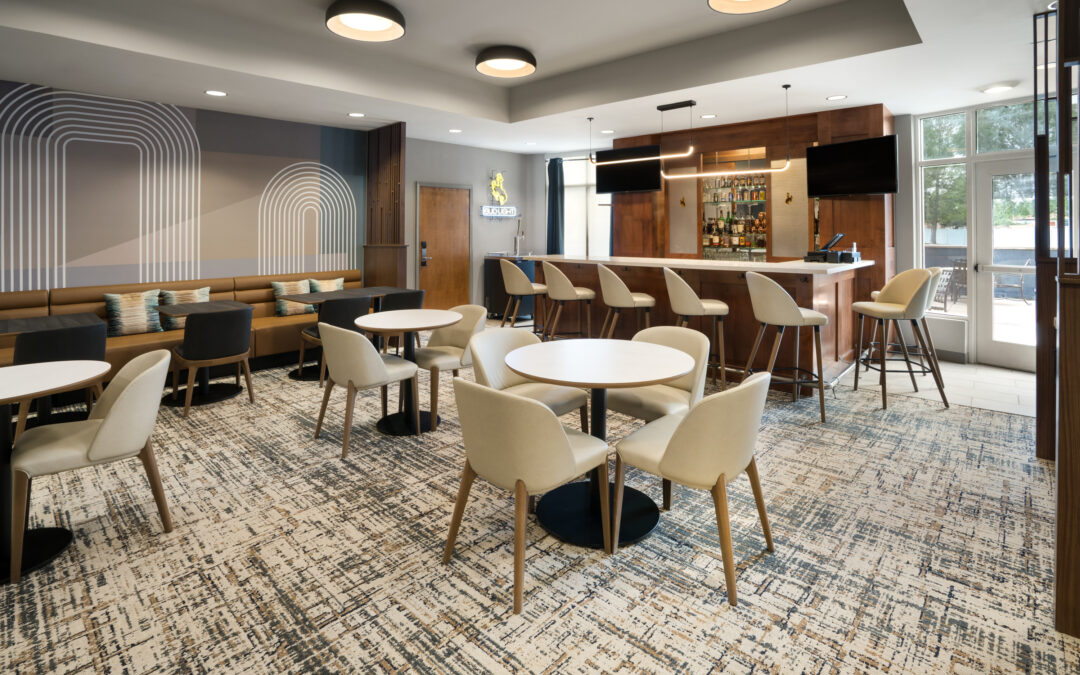
- Lobby and public space upgrades
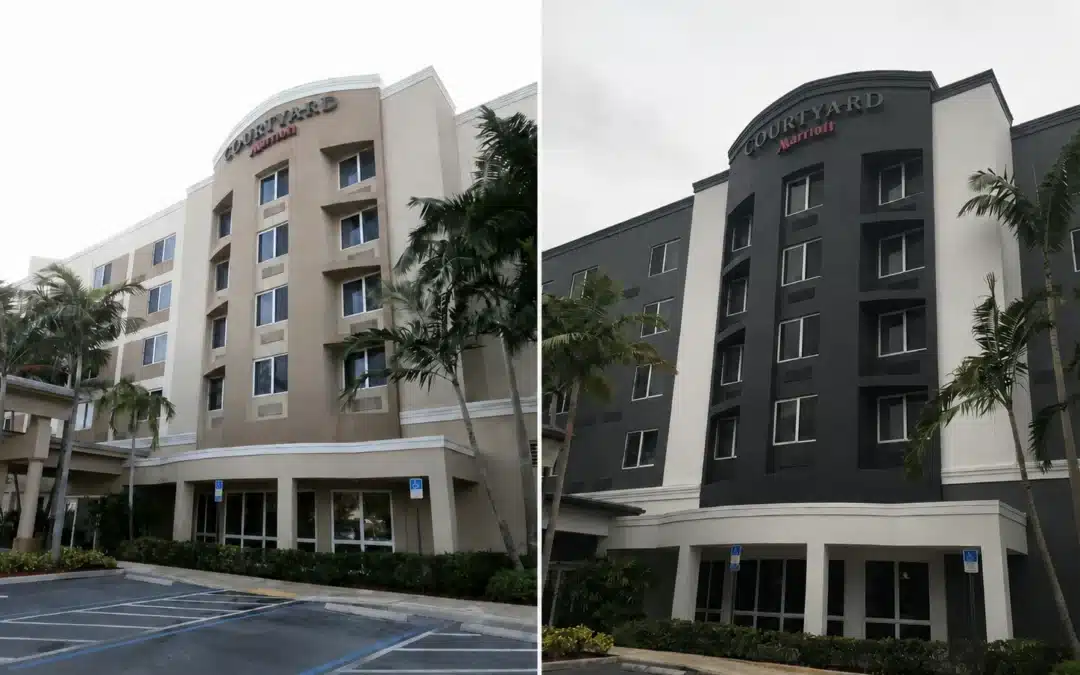
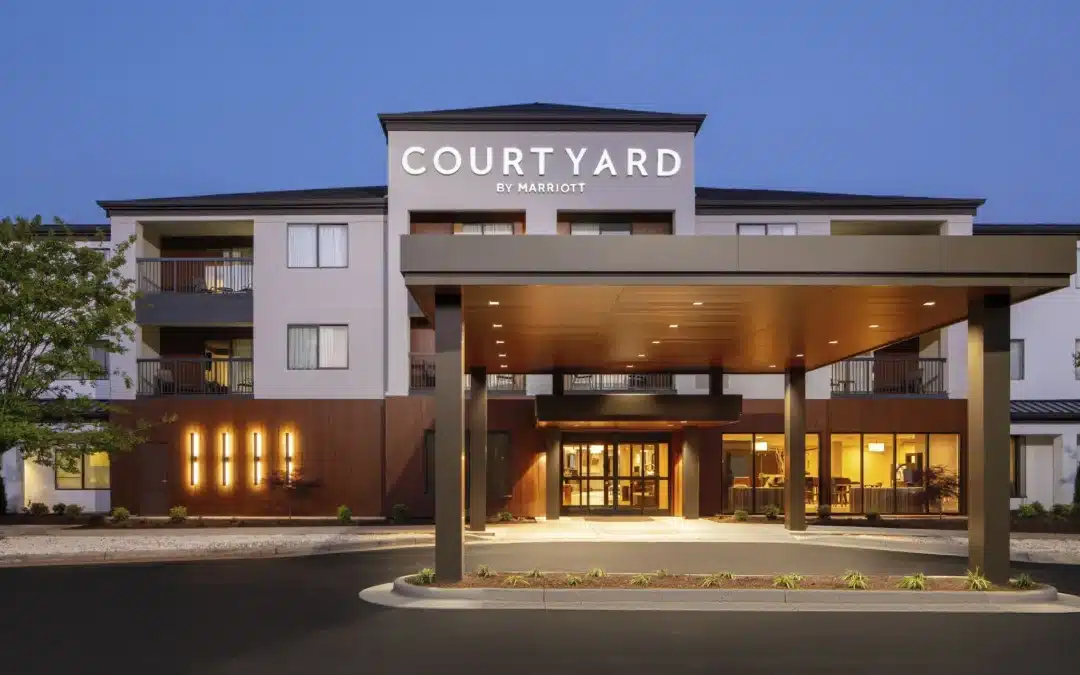
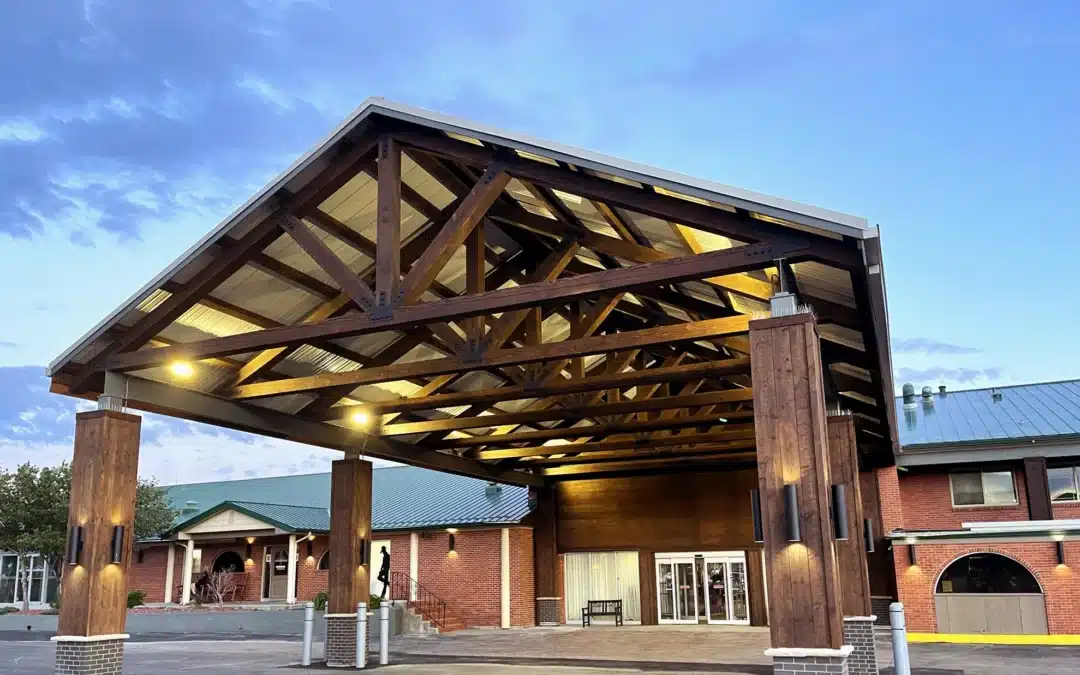
- Exterior improvements
- Brand-required renovations
- FF&E replacement
- Building system improvements
- Accessibility upgrades
- Technology enhancements
- Life safety improvements
Because guest expectations, franchise standards, and market conditions continually evolve, renovation planning often represents a significant portion of a hotel’s long-term capital strategy. For owners managing multiple hotels, planning becomes even more strategic as each property may have different renovation cycles, investment priorities, and opportunities.

What Are the Steps to Build a Hotel Renovation CapEx Budget?
An effective hotel renovation budget starts with understanding your property’s current condition, future requirements, and overall investment goals.
While every hotel is different, successful CapEx planning typically follows the same process.
1. Identify Upcoming Renovation Requirements
Begin by identifying the projects that will need funding over the next several years.
Consider factors such as:
- Upcoming Property Improvement Plans (PIPs)
- Brand-mandated renovation timelines
- Franchise agreement requirements
- FF&E replacement cycles
- Accessibility or code compliance requirements
- Planned repositioning or brand conversions
For branded hotels, planning ahead is especially important.
Waiting until a PIP deadline approaches often limits scheduling flexibility, increases costs, and reduces opportunities to coordinate multiple projects into one efficient renovation.
2. Evaluate Property Condition and Current Needs
Once future requirements are identified, evaluate the property’s current condition to determine where investment is needed most.
A comprehensive assessment should examine:
- Deferred maintenance
- Aging building systems
- Guest-facing spaces requiring updates
- Operational challenges
- Safety and compliance concerns
- Areas impacting guest satisfaction
For single-property owners, this assessment establishes immediate priorities.
For portfolio owners, it creates a consistent way to compare assets and determine where capital will have the greatest impact.
3. Develop a Realistic Budget
Rather than relying on a generic cost-per-room estimate, develop a budget based on the specific needs of the property.
A comprehensive renovation budget should account for:
- Scope of work
- Design and preconstruction services
- Materials and procurement
- Labor
- FF&E
- Brand requirements
- Permits and approvals
- Operational considerations
- Phasing requirements
- Contingency funding
Hotel renovations present unique budgeting challenges because work often occurs in occupied buildings while maintaining guest satisfaction and daily operations.
Accounting for these realities early leads to more accurate budgets and fewer surprises during construction.
How Should Hotel Owners Prioritize Renovation Projects?
Once potential projects have been identified, the next step is determining which investments should receive priority. A thoughtful prioritization strategy balances immediate operational needs with long-term financial performance.
A strong prioritization strategy considers:
Brand Requirements and Upcoming PIPs
Brand standards and PIPs often establish mandatory renovation timelines.
Understanding these requirements early allows ownership teams to secure funding, coordinate schedules, and evaluate opportunities to combine required renovations with additional improvements that strengthen long-term property performance.
Life Safety, Compliance, and Critical Building Systems
Projects involving safety, compliance, or essential infrastructure often require priority because they protect the property’s ability to operate effectively.
Examples may include:
- Building system improvements
- Accessibility upgrades
- Safety-related improvements
- Infrastructure replacements
While these investments may not always be highly visible to guests, they play an important role in protecting long-term asset performance.
Guest Experience
Guest-facing improvements directly influence satisfaction, online reviews, and competitive positioning.
Priority areas often include:
- Guest rooms
- Bathrooms
- Lobbies
- Public spaces
- Exterior arrival experiences
These spaces create first impressions and often have the greatest influence on how guests perceive the property.
Revenue and Operational Performance
Not every valuable renovation is highly visible. Many investments improve profitability by reducing maintenance costs, increasing operational efficiency, improving reliability, or strengthening the property’s competitive position.
When prioritizing projects, consider how each investment supports:
- Guest expectations
- Market trends
- Competitive positioning
- Operational efficiency
- Long-term ownership goals
The most successful CapEx strategies balance short-term operational needs with long-term financial performance.

Should Hotel CapEx Budgets Be Planned by Property or Across a Portfolio?
For owners managing multiple hotels, CapEx planning requires looking beyond individual properties.
Allocating the same renovation budget to every asset may not create the greatest return. Instead, ownership teams should evaluate each property based on its unique needs and opportunities.
A portfolio-level strategy helps owners direct capital where it will create the greatest long-term value while maintaining visibility into future renovation needs across the organization.
A portfolio-level approach considers:
- Brand requirements
- Asset condition
- Market performance
- Revenue opportunities
- Renovation cycles
- Competitive positioning
- Ownership objectives
For example, one property may require a brand-mandated guest room renovation, while another may benefit more from exterior upgrades, infrastructure improvements, or public space enhancements.
A strategic portfolio approach allows owners to direct capital where it can create the greatest impact while maintaining visibility into future renovation needs.
For REITs and larger ownership groups, this approach also supports long-term asset planning by creating a clearer picture of upcoming capital requirements across the portfolio.
How Do You Estimate Hotel Renovation Costs?
Every hotel renovation is different, which is why there is no universal cost-per-room benchmark that applies to every project. Renovation costs are influenced by the property’s age, condition, brand standards, project scope, location, procurement requirements, and operational constraints.
Instead of asking, “How much does a hotel renovation cost?” owners should ask, “What will this specific property require to meet our operational and investment goals?”
When developing cost estimates, consider factors such as:
- Existing property conditions
- Renovation scope
- FF&E requirements
- Labor and material costs
- Brand standards
- Procurement timelines
- Occupied renovation logistics
- Construction phasing
- Contingency planning
One of the most effective ways to improve budget accuracy is to involve experienced hospitality renovation professionals early in the planning process. Early collaboration allows ownership teams to validate project scope, identify constructability concerns, explore value engineering opportunities, and develop realistic budgets before construction begins.
Amerail Insight: Some of the biggest cost-saving opportunities happen during planning, not construction. Evaluating materials, sequencing, and project scope early often creates meaningful savings without sacrificing quality or guest experience.
What Should Be Included in a Hotel Renovation CapEx Budget?
While every property’s priorities are different, most hotel renovation CapEx budgets include investments across several key categories.
| Investment Area | Purpose |
| Guest room renovations | Improve guest satisfaction and maintain competitiveness |
| Public space upgrades | Refresh high-visibility guest areas and first impressions |
| Exterior improvements | Strengthen curb appeal and brand perception |
| FF&E replacement | Maintain functionality and brand compliance |
| Building systems | Improve reliability and extend asset life |
| Accessibility improvements | Support compliance and guest accessibility |
| Technology upgrades | Improve operational efficiency and guest expectations |
| Design and preconstruction | Develop accurate scopes, budgets, and schedules |
| Contingency | Prepare for unforeseen conditions during renovation |
The appropriate allocation depends on each property’s condition, ownership goals, brand requirements, and long-term investment strategy.
How Can Owners Maximize the Value of Their Hotel Renovation Budget?
A successful CapEx budget isn’t simply about controlling costs. It’s about making investments that strengthen the property’s long-term performance.
Several strategies can help maximize the return on renovation dollars.
Plan Renovations Strategically
Looking beyond immediate repairs allows owners to coordinate related projects, reduce disruption, and avoid duplicate costs. Bundling renovations when possible can also improve scheduling and procurement efficiencies.
Phase Projects When Appropriate
Not every renovation needs to happen at once. Phasing projects over multiple budget cycles may help align improvements with occupancy trends, available capital, and operational priorities while maintaining business continuity.
Identify Value Engineering Opportunities
Value engineering isn’t about selecting the lowest-cost option. It’s about evaluating materials, systems, and construction methods to identify solutions that maintain performance while optimizing overall project costs.
Partner With Hospitality Renovation Experts
Hotels present challenges that differ significantly from most commercial construction projects. Renovation partners with hospitality experience understand occupied renovations, guest-sensitive construction, brand standards, procurement coordination, and scheduling around hotel operations.
Bringing renovation professionals into the planning process early often leads to more accurate budgets, smoother execution, and better long-term outcomes.

Common Hotel CapEx Planning Mistakes to Avoid
Even well-funded renovation programs can fall short when planning is reactive instead of strategic. Avoiding these common mistakes can help ownership teams make better investment decisions and reduce unnecessary costs.
Waiting Until a PIP Is Issued
Proactive planning allows more flexibility with budgeting, scheduling, and project scope.
Focusing Only on Immediate Repairs
A reactive approach may overlook investments that improve long-term asset performance.
Underestimating Operational Considerations
Hotel renovations require careful planning to minimize disruption to guests and staff.
Bringing Renovation Experts In Too Late
Early collaboration can help ownership teams create realistic budgets and more effective renovation strategies.
Building a Better Hotel Renovation CapEx Strategy
A hotel CapEx budget is more than a financial document — it is a strategic tool for protecting and improving hospitality assets.
Whether you are planning renovations for one property or managing capital improvements across a portfolio, a thoughtful approach helps ownership teams prioritize investments, maintain brand standards, improve guest experiences, and maximize long-term value.
The most successful renovation strategies begin before construction starts — with clear goals, realistic budgets, and a plan for how each investment supports the property’s future.
Stay Ahead of Your Next Hotel Renovation
Planning a Property Improvement Plan, brand conversion, or upcoming hotel renovation?
Early collaboration can help you develop more accurate budgets, prioritize investments, and create a renovation strategy that supports your long-term business goals.
Contact Amerail Systems to discuss your upcoming project, or subscribe to the Amerail Insights Newsletter for practical guidance on hotel renovations, capital planning, and hospitality industry trends.