A Complete Guide for Hotel Owners and Property Managers
Hotel renovation is more than a construction project. It’s a strategic investment in your property’s performance, guest experience, and long-term value. Whether you are an independent hotel owner new to renovation or oversee a multi-property portfolio, understanding what hotel renovation involves can help you plan smarter, budget more effectively, and avoid costly surprises.
So, what is hotel renovation, and why is it so critical in the hospitality industry? Let’s break it down.
Defining Hotel Renovation
Hotel renovation refers to the planned updating, repairing, or reconfiguring of a hotel’s interior and exterior spaces to maintain brand standards, improve guest satisfaction, and extend the life of the property.
Renovations can range from light cosmetic refreshes to full-scale transformations involving structural upgrades, design changes, and brand repositioning. Most hotels renovate on a recurring cycle to remain competitive and compliant with franchise requirements.
Why Hotel Renovation Is Necessary
Hotels experience constant use. Guestrooms, lobbies, corridors, and exterior areas see daily traffic, which leads to visible wear over time. Beyond physical aging, hotels must also keep pace with evolving guest expectations, updated brand standards, and Property Improvement Plans (PIPs), increasing market competition, growing energy efficiency requirements, and ongoing safety and accessibility regulations. Without regular renovation, a hotel risks declining guest satisfaction, lower online ratings, reduced occupancy, and even potential loss of brand affiliation.
What are Some Common Types of Hotel Renovations?
Not all hotel renovations look the same. The scope depends on the property’s age, condition, and goals.
1. Soft Goods Renovations
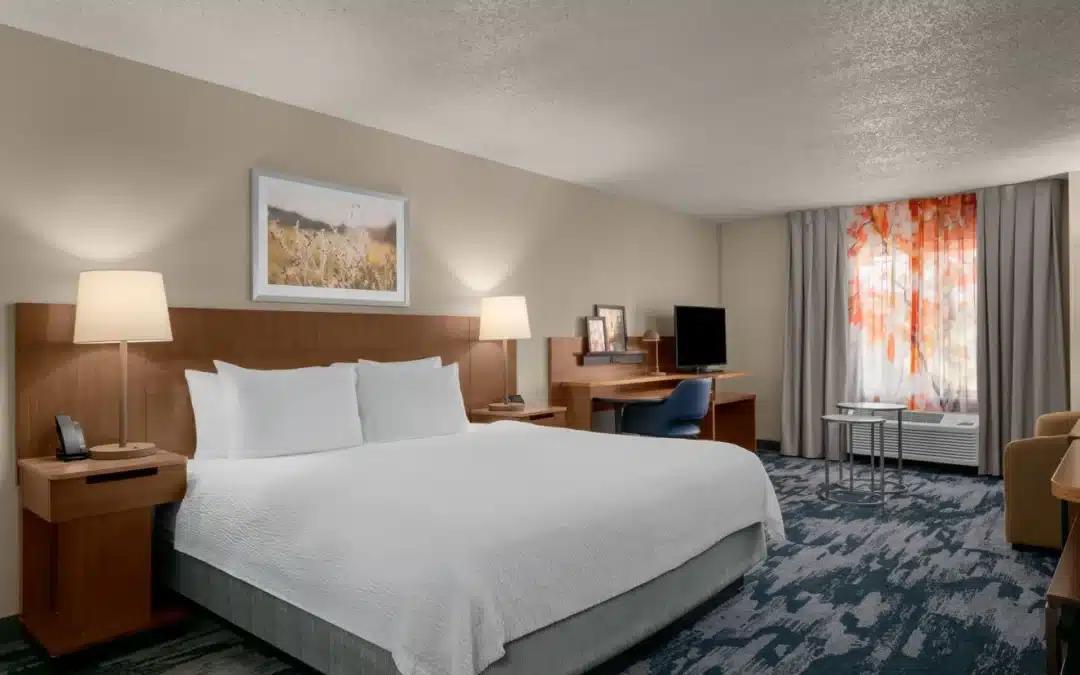
Soft goods renovations focus on items with shorter life spans, typically updated every 5–7 years. These include:
- Carpet and flooring
- Paint and wall coverings
- Drapery and bedding
- Upholstered furniture
- Decorative lighting
These updates refresh the look of the hotel without major construction.
2. Hard Goods Renovations
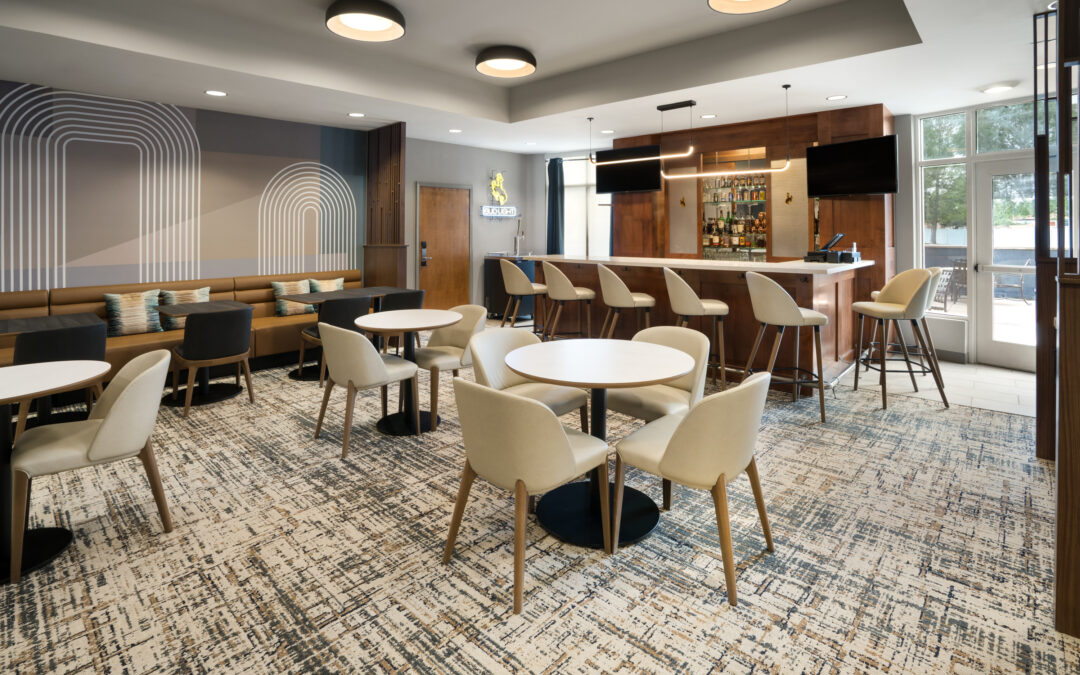
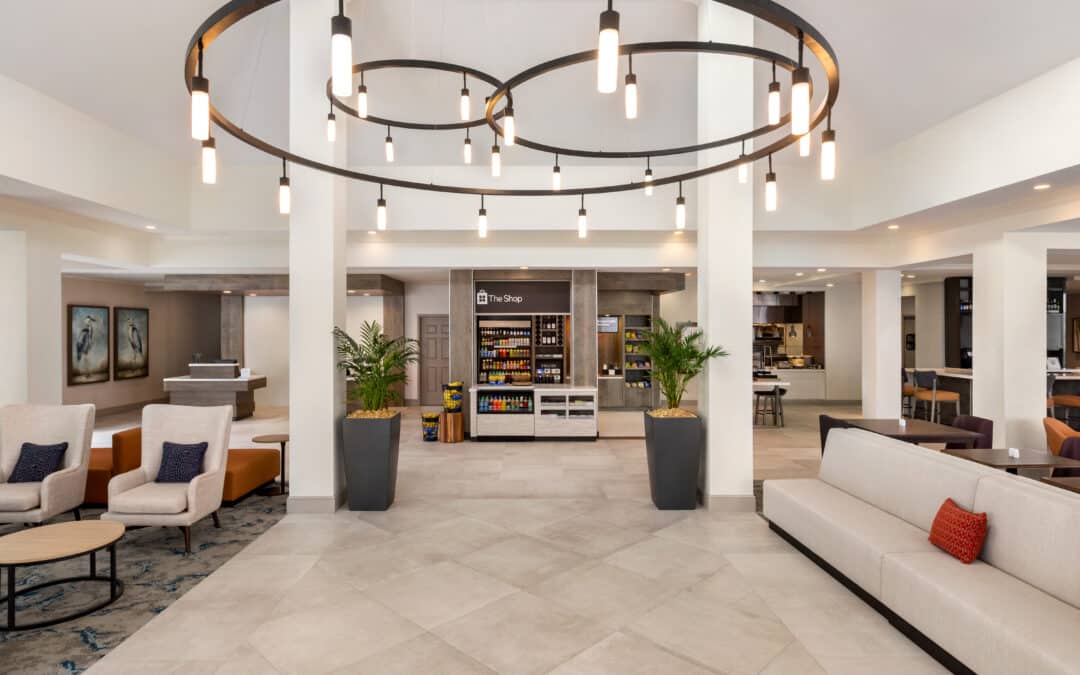
Hard goods renovations involve more permanent components and are typically completed every 10–12 years. Examples include:
- Case goods and millwork
- Bathroom fixtures and tile
- Guestroom layouts
- Lobby redesigns
- Exterior façade improvements
This phase often has a greater impact on guest experience and long-term value.
3. Exterior Hotel Renovations
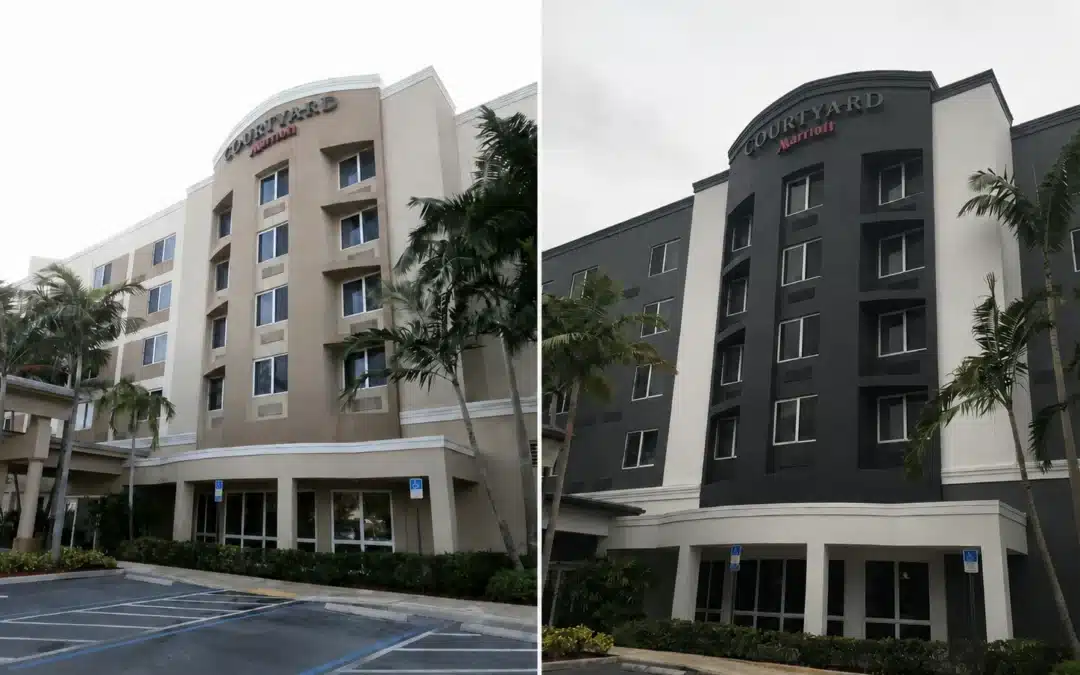
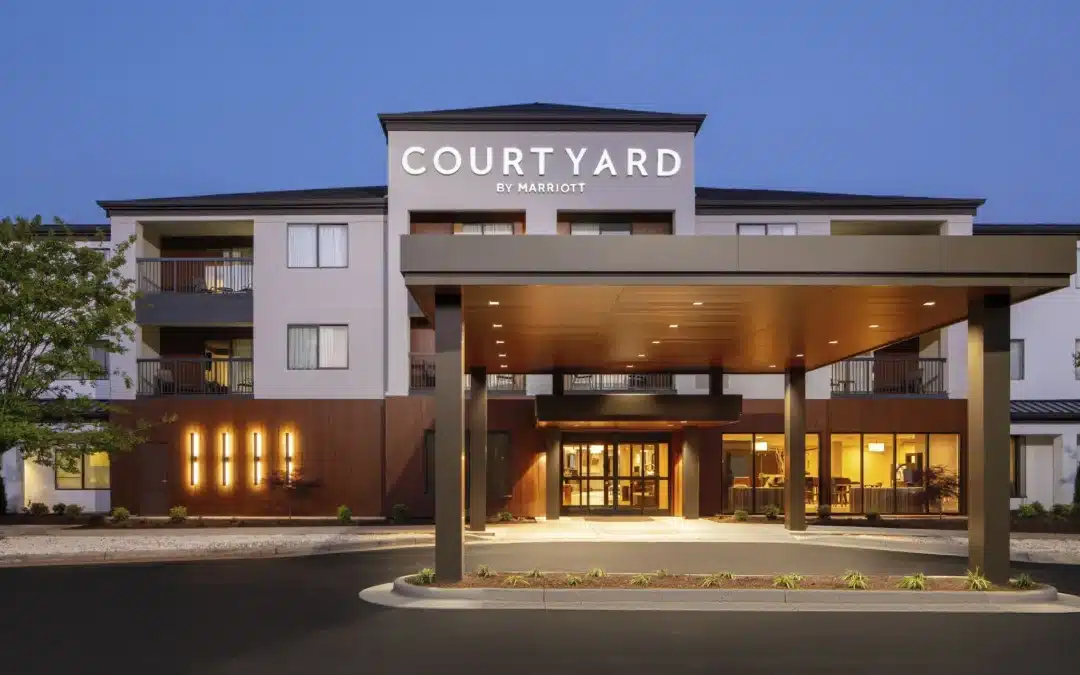
Exterior renovations improve curb appeal and first impressions by reaffirming guest expectations from the onset of their arrival. They may include:
- Façade repainting or reimaging
- EIFS repair and water infiltration remediation
- Window replacement
- Signage updates
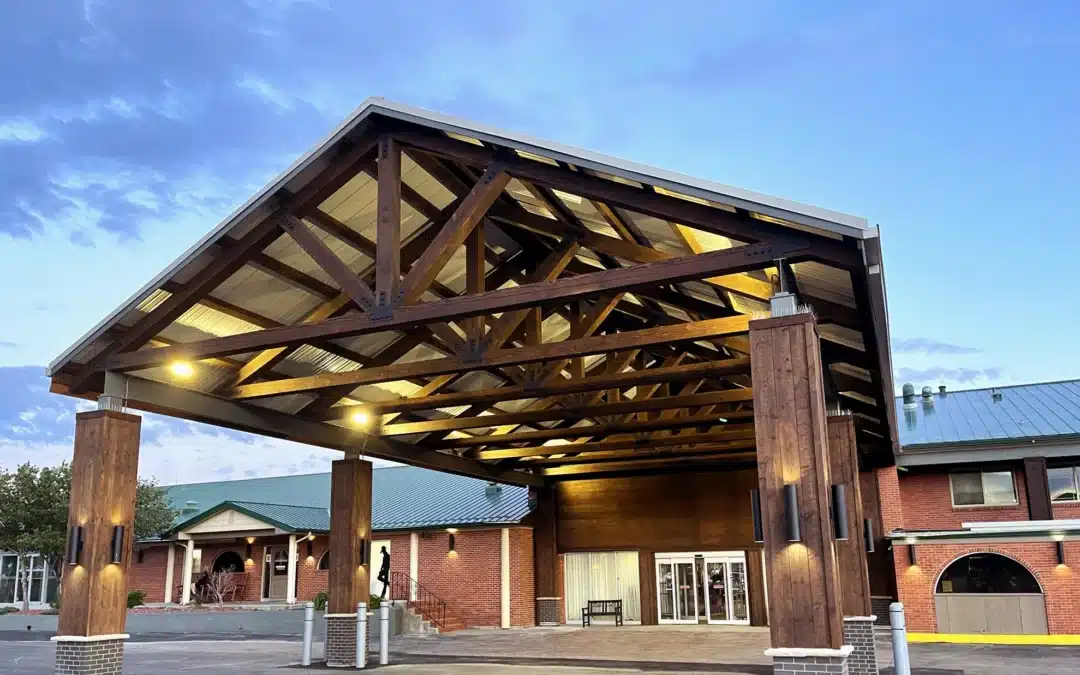
- Porte cochere renovation or reconfiguration
Exterior work is especially important for brand compliance and guest perception.
4. Brand Conversion Renovations
Brand conversions occur when a hotel switches from one franchise to another or repositions to a new market segment. These renovations often involve:
- Full interior and exterior updates
- New layouts, finishes, and signage
- Brand-specific design standards
- Mechanical or energy-efficiency upgrades
Brand conversions are among the most complex hotel renovation projects and require close coordination with franchise representatives.

What Is a Property Improvement Plan (PIP)?
A Property Improvement Plan (PIP) is a document issued by a hotel brand that outlines the required renovations and upgrades a property must complete to remain compliant with brand standards. A PIP typically defines the scope of work, establishes design standards, identifies approved materials, and sets timelines for completion.
These plans are often triggered by franchise renewals, changes in ownership, brand-wide updates, or performance concerns identified by the franchisor. Successfully executing a PIP requires experience, careful planning, and ongoing coordination, which is why many hotel owners choose to work with an experienced hotel renovation company to manage the process from start to finish.
How Hotel Renovations Are Planned
Effective hotel renovation begins long before construction starts.
Step 1: Property Assessment
Owners evaluate the condition of guest rooms, public spaces, building systems, and exterior elements.
Step 2: Budgeting & Scheduling
Renovation budgets often account for 3–5% of annual revenue as part of long-term capital planning. Scheduling is typically planned around occupancy cycles to reduce disruption.
Step 3: Choosing a Delivery Method
Hotels commonly choose between:
- Design-Build, where one firm manages design and construction
- General Contracting, where the owner works with separate designers and contractors
Design-build is often preferred for hotel renovations due to faster timelines and single-source accountability.
Step 4: Phased Construction
To remain operational, hotels often renovate floor by floor or wing by wing, minimizing guest disruption.
How Hotel Renovation Impacts Guests
From a guest’s perspective, renovations influence:
- Comfort and cleanliness
- Noise levels and sleep quality
- Visual appeal and first impressions
- Functionality of rooms and amenities
Well-executed renovations consistently lead to:
- Higher guest satisfaction scores
- Improved online ratings
- Increased repeat bookings
- Stronger brand loyalty
Conversely, poorly planned renovations can result in negative reviews, which is why guest-sensitive construction practices are essential.
The Role of a Hotel Renovation Company
A professional hotel renovation company brings structure, expertise, and efficiency to complex projects. Responsibilities often include:
- Reviewing and executing PIPs
- Coordinating with brand representatives
- Managing design and construction
- Applying value engineering to control costs
- Scheduling guest-sensitive construction
- Ensuring quality control and compliance
With the right partner, hotel renovations become strategic upgrades rather than operational headaches.
How Often Do Hotels Renovate?
While every property is different, most hotels follow these general timelines:
- Soft goods updates: Every 5–7 years
- Full renovations: Every 10–12 years
- Brand conversions or repositioning: Every 15–20 years
Understanding these cycles helps owners plan proactively instead of reacting to declining performance or urgent PIP deadlines.
How Amerail Systems Approaches Hotel Renovation
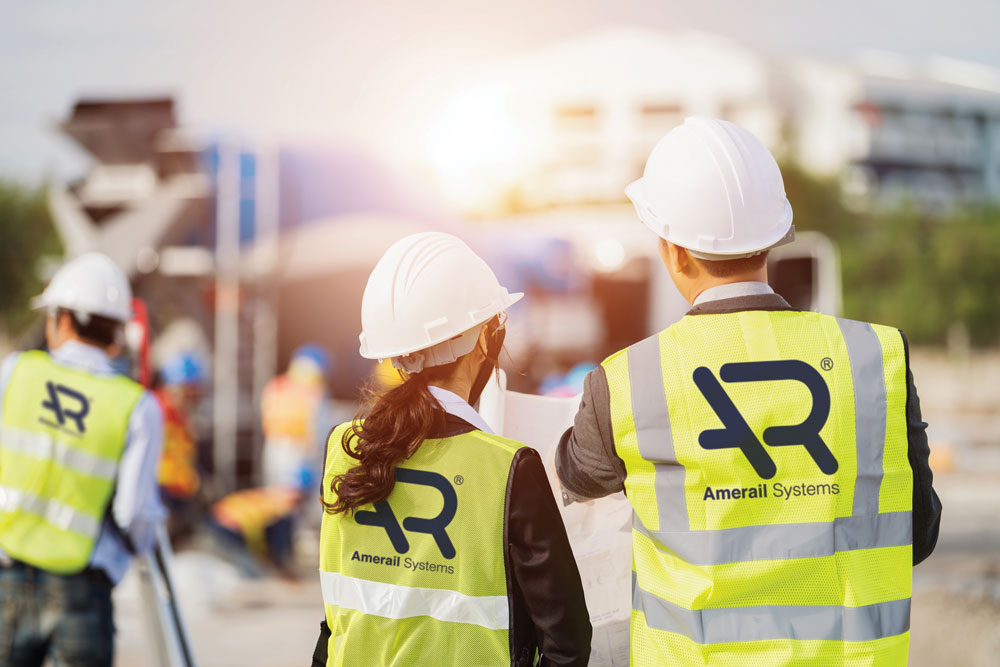
With over 40 years of experience and more than 2,400 hotel projects completed nationwide, Amerail Systems specializes in full-service hotel renovation solutions, including:
- Interior and exterior renovations
- PIP fulfillment and brand compliance
- Design-build renovation services
- Brand conversions and reimaging
- Hotel repair services, including EIFS and windows
- Guest-sensitive construction for occupied hotels
Our approach is built on efficiency, value engineering, and clear communication, delivering renovations that meet brand standards and exceed guest expectations.
We aim for WOW, not just in how a hotel looks, but in how it performs.
Hotel Renovation as a Long-Term Strategy
So, what is hotel renovation? It’s an ongoing process that protects your investment, strengthens your brand, and keeps guests coming back.
Whether you’re planning a minor refresh or a major transformation, understanding the scope and purpose of hotel renovation allows you to make informed decisions and partner with the right team to get it done right.
When the time comes to renovate, working with a trusted hotel renovation company like Amerail Systems ensures your project stays on time, on budget, and on brand. Visit us online to learn more about renovations.