Independent and boutique hotel owners are entering 2026 with a more measured mindset. After years of volatility, from shifting travel demand to rising operating costs, the focus has moved away from aggressive expansion and toward protecting what already exists.
Across hotel renovations nationwide, we’re seeing independent owners ask a different set of questions than they did even a few years ago. Instead of “How big can we go?” the conversation has become “How do we stay competitive without overexposing ourselves to risk?”
In this environment, hotel remodeling and renovation are increasingly viewed not as a compromise, but as the smartest strategic move.
Cautious Capital Is Reshaping Decision-Making
Independent and boutique hotels often operate with tighter margins and less access to large pools of institutional capital. That reality makes risk management especially important in a cautious economy.
New construction, while appealing in theory, requires long timelines, significant upfront investment, and confidence in future market conditions. For many owners, tying up capital for years without guaranteed returns feels misaligned with today’s uncertainty.
Renovation offers a different equation. It allows owners to reinvest in their property while maintaining revenue flow, controlling scope, and adjusting plans as conditions change. That flexibility is becoming one of renovation’s greatest advantages.
Renovation Allows Owners to Stay Nimble
What we’re seeing across hotel renovations is that independent owners value adaptability more than ever. Renovation supports that mindset by allowing improvements to happen in phases rather than all at once.
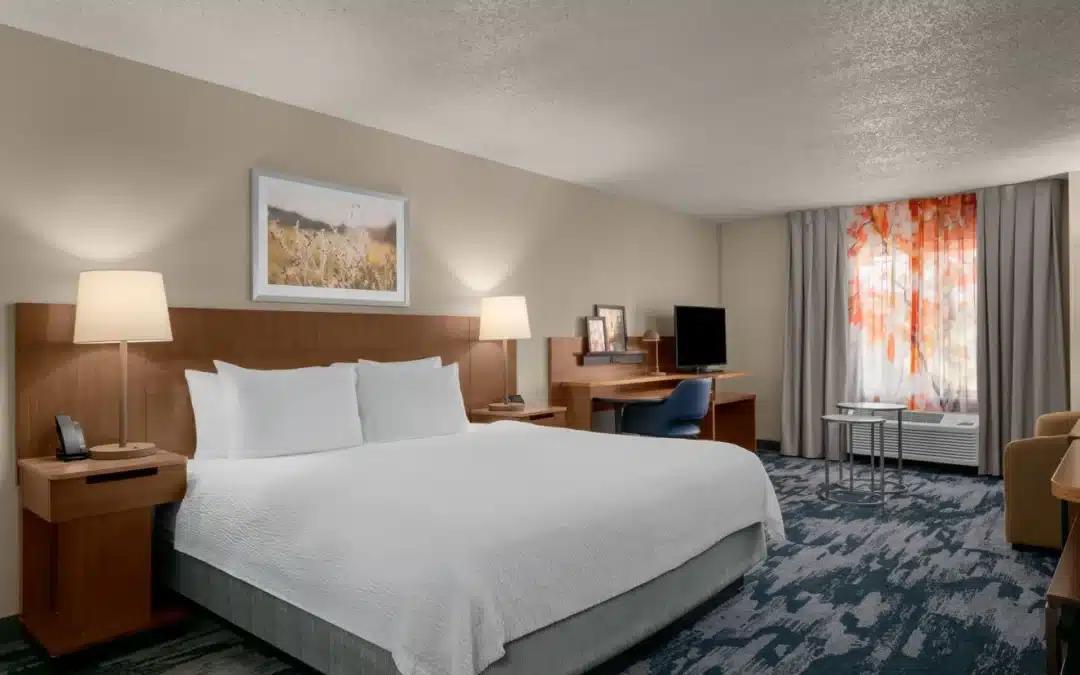
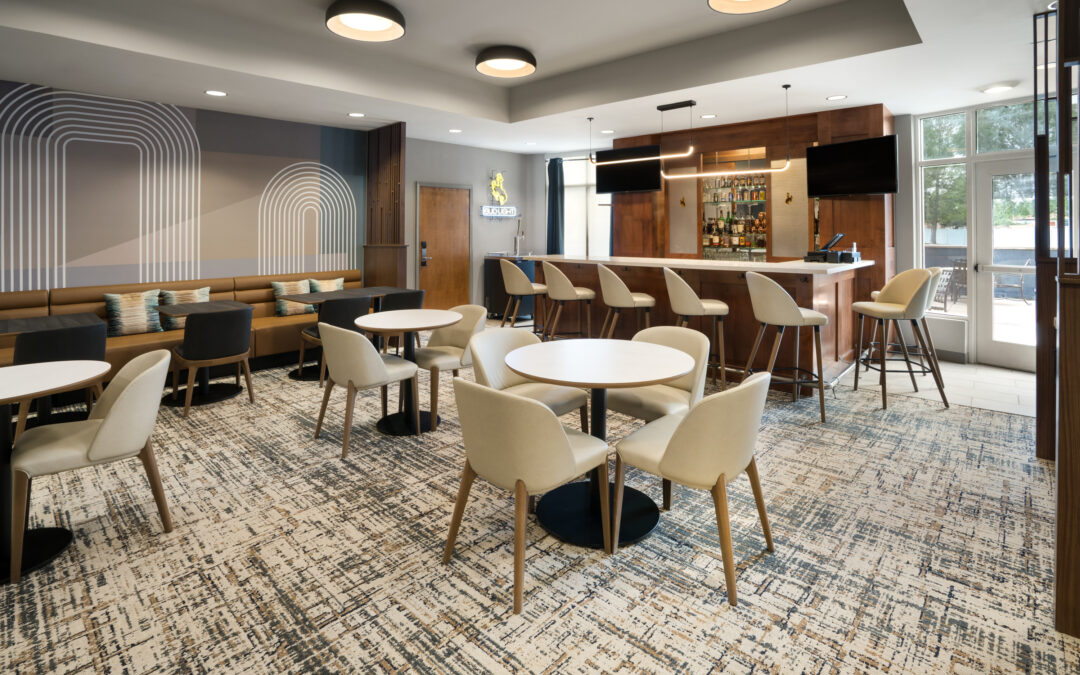
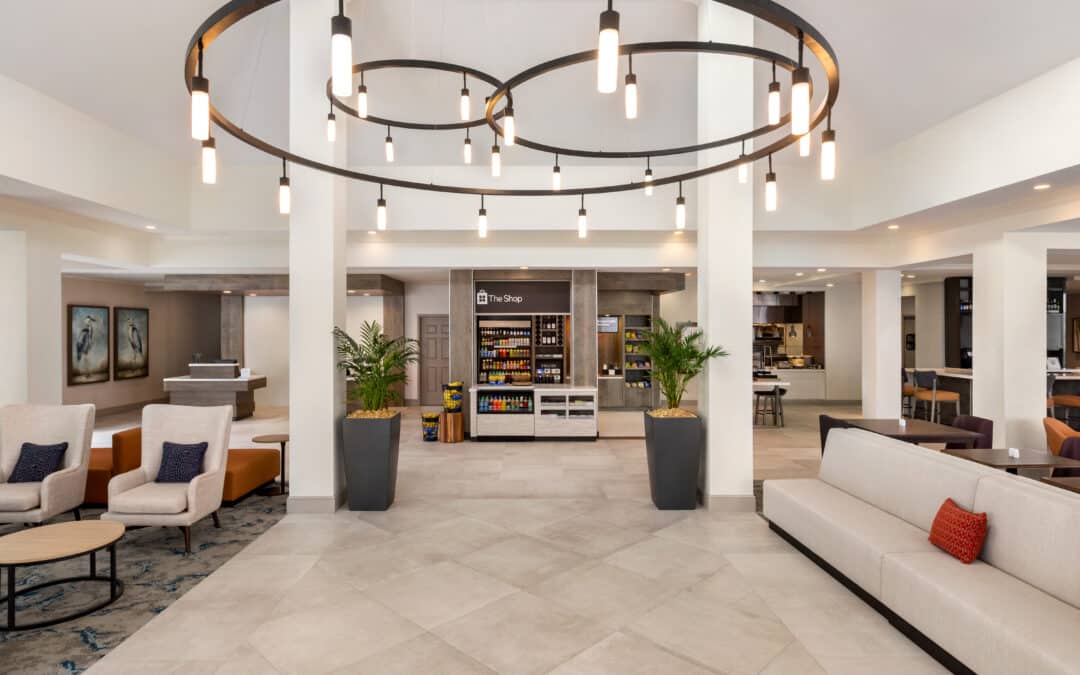
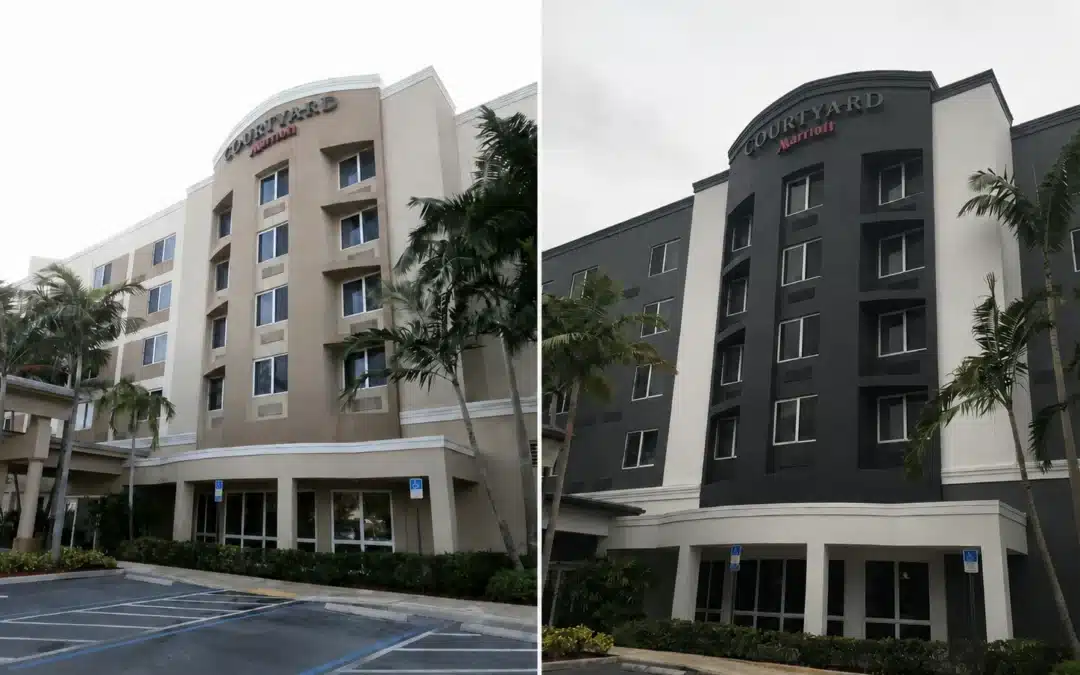
A boutique hotel might refresh guestrooms first, then update common areas, and later tackle exterior improvements as budgets and demand allow. This phased approach reduces financial strain and gives owners room to respond to real-world performance, not just projections.
In a cautious economy, nimbleness isn’t a luxury — it’s a safeguard.
Guest Expectations Haven’t Slowed Down
Even as owners grow more conservative with capital, guest expectations continue to evolve. Travelers still expect thoughtful design that reflects a story, comfort, functionality, and a sense of place, especially when choosing independent or boutique properties.
Renovation allows owners to respond directly to those expectations without abandoning the character that makes their hotel unique. Unlike new construction, which often prioritizes standardization, renovation gives boutique properties the opportunity to refine their identity rather than reset it.
Well-planned renovations enhance what already works while addressing what no longer does.
Renovation Supports Brand Independence and Creative Control
For independent hotels, renovation is often about more than aesthetics. It’s about control. Owners are not bound by franchise mandates, which means renovation decisions can be driven by market positioning rather than brand checklists.
This freedom allows owners to focus renovation scope on areas that matter most to their guests, whether that’s redesigned rooms, upgraded bathrooms, improved sound control, or refreshed gathering spaces.
In a cautious economy, the ability to prioritize spending based on direct guest feedback and performance data is a significant advantage.
Managing Risk Through Known Conditions
One of the most important renovation planning realities for independent owners is familiarity. Owners already understand their building, location, and operational challenges. Renovation works within known conditions, which reduces the number of variables compared to starting from scratch.
While surprises can still occur, they tend to be more manageable than the unknowns associated with new construction, such as extended permitting timelines, infrastructure challenges, or shifting zoning requirements.
That predictability is why renovation is often perceived as the lower-risk option in uncertain times.

Renovation Keeps Revenue Flowing
Unlike new construction, renovation can be executed while the hotel remains open. Guest-sensitive planning allows work to be phased floor by floor or area by area, minimizing disruption and preserving occupancy.
For independent owners, this is a critical distinction. Revenue continuity provides breathing room, helps offset renovation costs, and reduces reliance on external financing.
What we’re seeing across hotel renovations is that maintaining even partial operations during construction can significantly reduce financial pressure, especially in smaller properties.
Renovation Aligns With Long-Term Asset Strategy
Many independent and boutique hotel owners view their properties as long-term investments rather than short-term plays. Renovation supports that perspective by extending asset life, improving durability, and allowing owners to modernize without overleveraging.
Rather than betting everything on a single, large-scale project, renovation lets owners invest incrementally while preserving optionality for the future. Whether the long-term plan includes expansion, repositioning, or eventual redevelopment, renovation keeps those options open.
Cost Control and Value Engineering Matter More Than Ever
In a cautious economy, renovation success often hinges on cost discipline. Owners are less interested in dramatic overhauls and more focused on value, upgrades that deliver noticeable guest impact without unnecessary expense.
This is where planning and process become essential. Early assessment, realistic scope definition, and value-engineered solutions help ensure renovation dollars are spent where they matter most.
What we’re seeing across hotel renovations is that thoughtful planning frequently delivers better outcomes than ambitious scope alone.
Renovation as a Competitive Advantage
In many markets, independent hotels compete directly with branded properties that follow rigid refresh cycles. Renovation gives boutique owners the opportunity to move faster, adapt sooner, and differentiate more clearly.
A well-timed renovation can reposition a property ahead of competitors, improve reviews, and strengthen market perception, without the delays and risks associated with new development.
In a cautious economy, that competitive edge matters.
A Smarter Path Forward
For independent and boutique hotel owners, renovation is not about playing small. It’s about playing smart.
Renovation offers flexibility in uncertain markets, control over scope and spending, and the ability to improve guest experience without overexposing capital. It aligns with how owners are thinking about risk in 2026, favoring measured investment over bold speculation.
Renovation as Strategic Confidence
At Amerail Systems, we’ve spent decades working alongside independent and boutique hotel owners, navigating changing markets and shifting economic conditions. What we’re seeing today is a renewed focus on renovation as a strategic decision, one rooted in clarity, adaptability, and long-term thinking. In a cautious economy, renovation isn’t a fallback option. It’s a confident, informed choice that allows owners to protect their investment, refine their identity, and move forward with intention. Explore how other owners are approaching upgrades in 2026.