
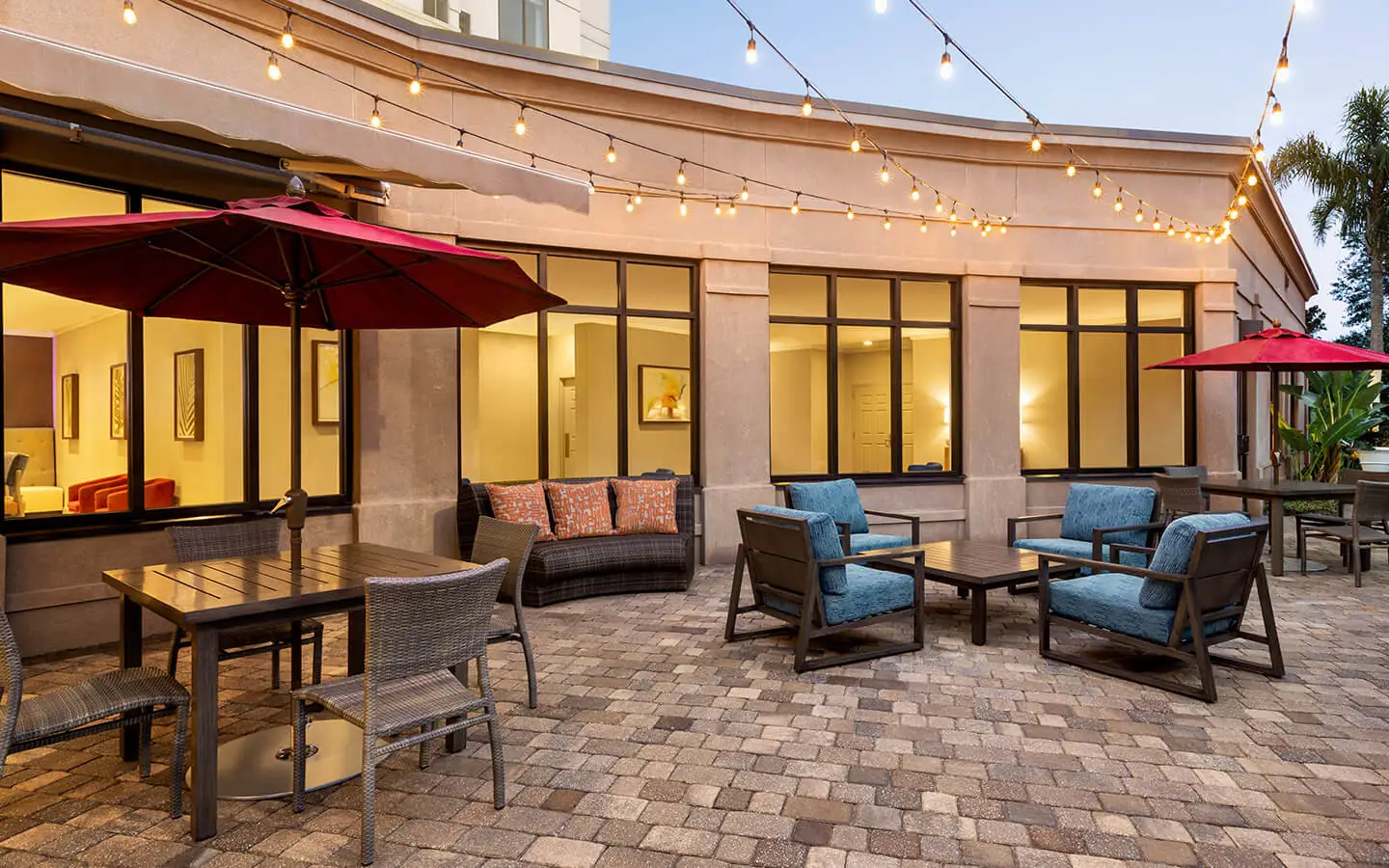
Hotel renovation scope is evolving in 2026 as brand standards and PIPs continue to shift. Owners and operators are rethinking how they approach upgrades—prioritizing high-impact guest experience improvements over full-scale renovations to better manage cost, timelines, and risk.
Across hotel renovations nationwide, we’re seeing owners and operators recalibrate how they approach compliance. Rather than viewing brand standards as a fixed checklist, many are treating them as a framework, one that requires interpretation, planning, and careful risk management.
Brand Standards Are Becoming More Prescriptive, But Also More Flexible
One of the most notable shifts heading into 2026 is that brand standards are simultaneously more detailed and more adaptable than in previous years.
On one hand, brands are providing clearer guidance around design intent, guest experience, and functional requirements. On the other hand, they are increasingly open to alternative materials, phased execution, and value-engineered solutions, particularly in a cost-conscious environment.
This duality is changing renovation scope in meaningful ways. Owners are no longer defaulting to full-scale overhauls simply to stay compliant. Instead, they are asking: What does the brand truly require, and where is there room for interpretation?
PIPs Are Driving Smarter, More Targeted Renovations
Property Improvement Plans (PIPs) remain the primary tool brands use to enforce standards, but the way they are written and executed is evolving.
In 2026, PIPs are less about blanket upgrades and more about prioritized impact areas. Brands are focusing renovation scope on elements that directly influence guest perception and brand consistency, such as:
- Guestroom finishes and functionality
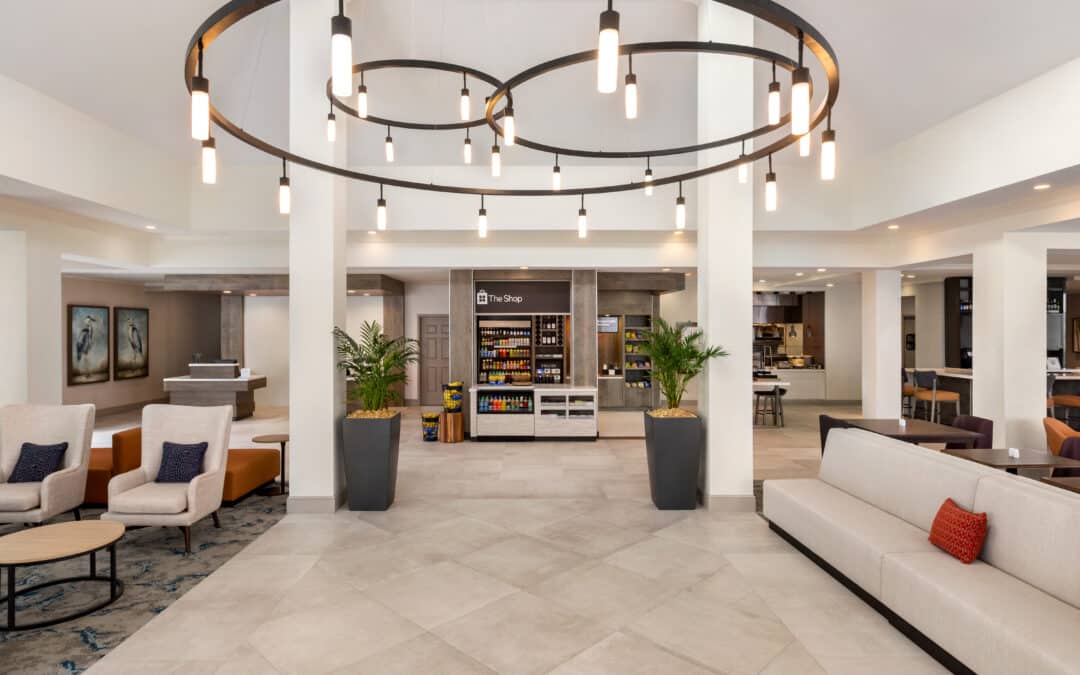
- Public space flow and first impressions
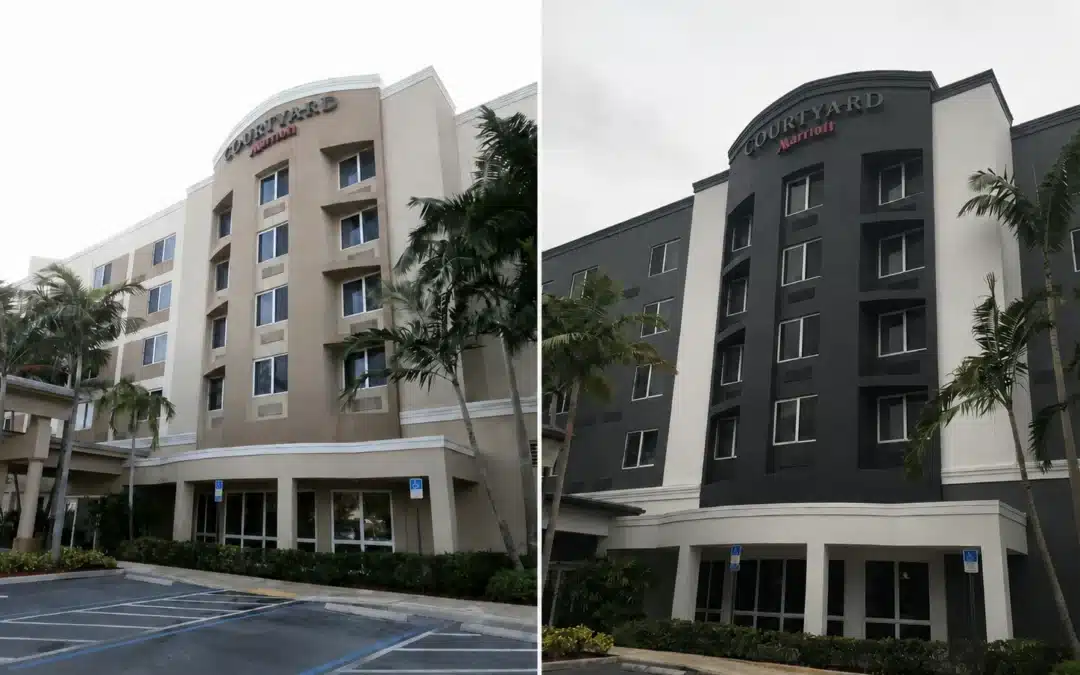
- Exterior appearance and signage
- Safety, accessibility, and durability
What we’re seeing across hotel renovations is a shift away from “replace everything” toward “upgrade what matters most.” This allows owners to allocate capital more strategically while still meeting brand expectations.
Interior Scope Is Expanding But Becoming More Selective
Interior renovations continue to be a major focus for brands, particularly as guest expectations around comfort, technology, and aesthetics evolve.
In 2026, interior renovation scope is being shaped by:
- Greater emphasis on guestroom functionality
- Updated lighting standards
- More flexible furniture and layout requirements
- Enhanced durability in high-traffic areas
However, brands are also recognizing that not every interior element needs to be replaced at once. Owners are increasingly negotiating phased interior renovations that align with refresh cycles, allowing them to spread investment over time without falling out of compliance.
This selective expansion of scope reflects a broader industry-wide trend toward measured renovation planning.
Exterior Standards Are Driving Visibility-Focused Upgrades
Exterior renovations are another area where brand standards are heavily influencing scope in 2026.
Brands remain highly focused on exterior consistency, curb appeal, and visibility, especially for properties located along major travel corridors or in competitive markets. As a result, exterior renovation scope often prioritizes:
- Façade refreshes or reimaging
- Signage updates to current brand standards
- Window appearance and performance
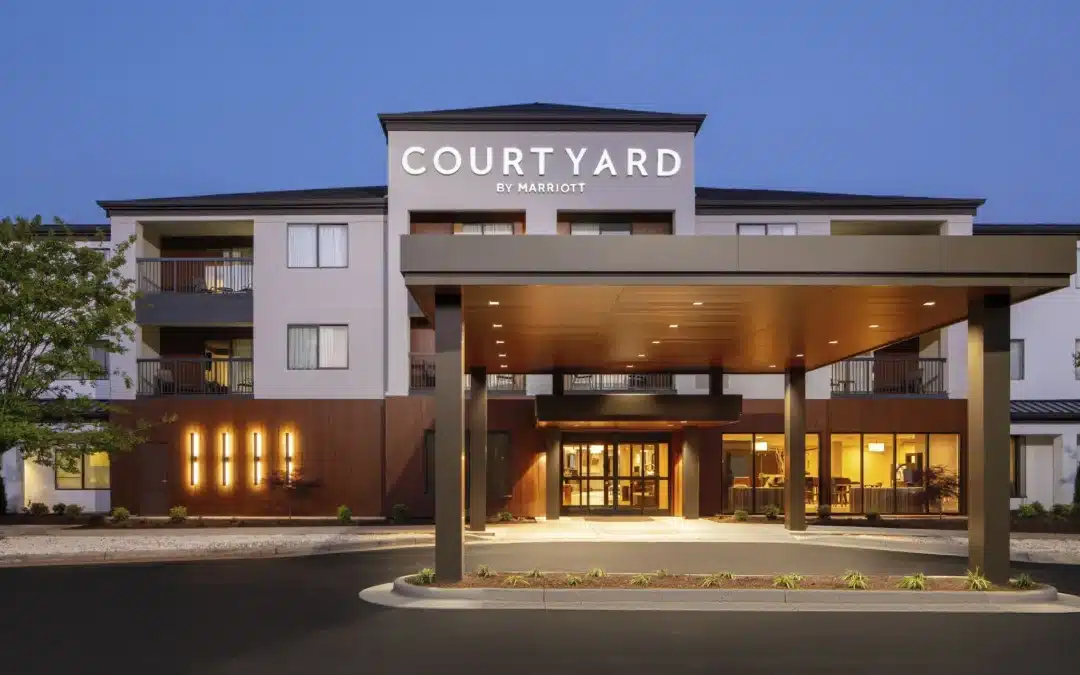
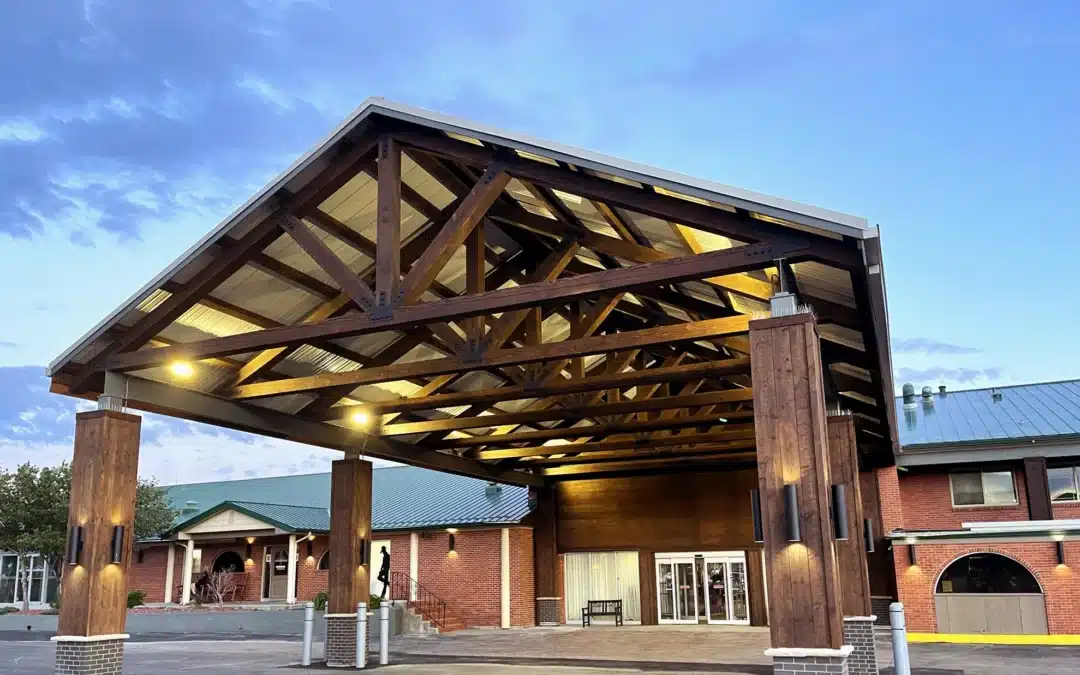
- Porte cochere condition and functionality
Rather than full exterior rebuilds, many brands are pushing for high-impact exterior improvements that immediately communicate brand quality to guests.
Brand Conversions Are Raising the Bar on Scope Definition
Brand conversions continue to be one of the most scope-intensive renovation scenarios. In 2026, brands are being more explicit about what is required during a conversion, leaving less ambiguity but also less room for last-minute changes.
Owners considering reflagging are finding that renovation scope is influenced by:
- The target brand’s market positioning
- Competitive set expectations
- Guest experience benchmarks
- Long-term brand alignment
This clarity helps owners plan more effectively, but it also underscores the importance of early scope evaluation. Understanding conversion requirements upfront is becoming a critical risk-management strategy.

Cost Pressure Is Forcing Scope Prioritization
Industry-wide cost pressures are influencing how both brands and owners think about renovation scope.
Rising labor costs, insurance premiums, and material pricing have made it impractical to approach renovations with unlimited scope. In response, brands are increasingly open to conversations around:
- Approved alternates
- Waivers for low-impact elements
- Extended timelines for non-critical upgrades
- Phased completion strategies
This doesn’t mean standards are being lowered, but it does mean scope is being more intentionally defined.
How Owners Are Thinking About Scope and Risk in 2026
Heading into 2026, owners are less concerned with whether a renovation is “big enough” and more focused on whether it is strategically aligned.
Key questions shaping scope decisions include:
- Which upgrades directly impact guest satisfaction and reviews?
- Where does the brand see the most risk if standards aren’t met?
- How can scope be phased to protect cash flow?
- What improvements offer long-term durability and value?
Renovation planning realities now involve balancing compliance, capital exposure, and operational continuity, all while meeting evolving brand expectations.
The Role of Process in Managing Renovation Scope
As brand standards influence renovation scope more precisely, the process used to execute renovations becomes even more important.
A structured approach, one that includes early PIP review, site assessment, value engineering, and brand coordination, allows owners to shape scope proactively rather than reacting to mandates late in the process.
What we’re seeing across hotel renovations is that owners who engage in early planning tend to:
- Reduce scope creep
- Avoid costly redesigns
- Gain brand approvals faster
- Maintain better control over timelines and budgets
What This Means for Renovation Planning Moving Forward
In 2026, brand standards are not just dictating what hotels must renovate. They are influencing how owners plan, phase, and prioritize renovation scope.
The most successful renovation projects are those that:
- Interpret brand standards strategically
- Focus scope on guest-impacting elements
- Use phased execution where possible
- Align upgrades with long-term asset goals
Rather than resisting brand influence, owners are learning to work within it, using standards as a guide for smarter investment.
Scope Is Becoming a Strategic Tool
Renovation scope in 2026 is no longer just a list of requirements. It’s a strategic decision shaped by brand expectations, market conditions, and risk awareness. At Amerail Systems, we’ve spent more than 40 years working at the intersection of brand standards, owner priorities, and real-world construction conditions.
What we’re seeing across hotel renovations is that success in 2026 won’t come from doing more. It will come from planning smarter. By understanding how brand standards shape renovation scope and approaching compliance with clarity and intention, owners are better positioned to protect their investment, maintain brand alignment, and deliver experiences that stand out. Learn more about renovation planning considerations to stay ahead.
0 Comments