What Owners Are Prioritizing to Protect Guest Experience in 2026
For luxury and boutique hotel owners, renovation isn’t just a construction challenge, it’s an operational balancing act.
Boutique and high-end hotels rely heavily on guest experience, atmosphere, and consistency. Every detail matters, from noise levels to visual presentation. That makes renovating while open one of the most complex scenarios in hospitality.
At the same time, closing a property entirely isn’t always realistic. Lost revenue, staffing disruption, and market positioning all factor into the decision. As a result, more owners are choosing to renovate while operating — but with far more structure, planning, and intention than in the past.
Why Staying Open During Hotel Renovation Matters
For many properties, especially in high-demand or seasonal markets, remaining open during renovation is a financial necessity.
Consider this:
- Hotels can lose thousands of dollars per room per month when taken offline, depending on ADR and occupancy.
- Even a modest boutique hotel can see six-figure revenue impacts during extended closures.
At the same time, guest expectations haven’t softened. Poor execution during renovation can hurt both short- and long-term performance. Research from Harvard Business School has shown that even a one-point increase in review scores can drive 5–9% revenue growth, underscoring how closely guest experience is tied to financial performance.
This creates a clear challenge: improve the asset without damaging the experience that drives revenue.
The Reality of Renovating Luxury & Boutique Hotel Properties
Luxury and boutique hotels operate differently from standard-flagged properties. They tend to have:
- More customized layouts
- Higher design expectations
- More sensitive guest environments
- Stronger reliance on reviews and repeat guests
This means disruption is more noticeable and less forgivable. Successful projects in this segment require guest-first planning, not just construction efficiency.
Phased Renovation Is the Foundation
The most effective strategy for minimizing disruption is phased construction. Rather than renovating the entire property at once, work is broken into manageable sections — often by floor, building, or room block.
This approach allows:
- Portions of the hotel to remain fully operational
- Noise and disruption to be isolated
- Revenue to continue flowing during construction
Typical phasing strategies include floor-by-floor guestroom renovations, separating public space work from peak occupancy periods, and scheduling exterior work during lower-demand seasons. Phasing isn’t just about logistics, it’s about protecting the guest experience while maintaining operational continuity.
Scheduling Around the Guest Experience
In luxury and boutique environments, when work happens is just as important as how it happens.
Renovation teams often adjust schedules to align with guest patterns, including:
- Limiting noisy work to mid-day hours
- Avoiding early mornings and evenings
- Coordinating major work around check-in/check-out windows
This shift toward more refined, guest-sensitive scheduling is especially evident in high-end properties where expectations are elevated.
Communication Is a Competitive Advantage
One of the most overlooked aspects of renovating while open is communication. Guests are often more understanding of renovation than owners expect — as long as expectations are clearly set.
Effective communication strategies include:
- Transparent messaging during booking
- On-site signage explaining improvements
- Staff training to address guest questions
- Positioning renovation as an upgrade, not a disruption
In many cases, properties that communicate proactively can maintain strong guest satisfaction scores even during active renovations.
Logistics Become More Complex in Boutique Properties
Boutique and luxury hotels often present unique logistical challenges. Unlike standardized properties, they may include multiple buildings or cottages, limited staging areas, tight back-of-house spaces, and high-end materials requiring careful handling.
Consequently, logistics planning has become more proactive — especially in constrained environments. This includes coordinating deliveries to avoid guest traffic, scheduling material staging during off-peak hours, and minimizing on-site clutter to preserve visual quality. Even small details, such as keeping hallways clean or limiting visible construction materials, can significantly impact guest perception.
Staff Coordination Is Critical
Hotel staff play a major role in how smoothly a renovation unfolds. Front desk teams, housekeeping, and management all need to understand:
- Which areas are under renovation
- How guest movement may be affected
- What messaging to communicate to guests
Stronger alignment between renovation teams and hotel staff creates a more unified, seamless experience for guests throughout the project.

Noise, Cleanliness, and Perception
In luxury and boutique hotels, perception is everything. Even when construction is necessary, guests expect the environment to feel controlled and intentional.
Key areas of focus include:
- Noise control: Using quieter tools and isolating work zones
- Cleanliness: Maintaining high standards in active and adjacent areas
- Visual separation: Clearly distinguishing renovation zones from guest areas
Properties that maintain visual and operational consistency during construction tend to preserve stronger guest satisfaction scores — and stronger post-renovation reviews.
Cost vs. Continuity: The Tradeoff
Renovating while open is not always the lowest-cost option from a construction standpoint. Phased work, adjusted schedules, and logistical constraints can increase complexity and, in some cases, extend timelines.
However, the tradeoff is often justified by:
- Continued revenue generation
- Reduced operational disruption
- Maintained market presence
- Stronger guest retention
In a cautious economy, owners are increasingly favoring continuity over short-term construction efficiency.
What This Means for Planning
Renovating while open requires both a solid construction schedule and a fundamentally different approach to planning overall. Successful projects typically involve early evaluation of phasing strategies, alignment between operations and construction teams, clear communication plans, and realistic expectations around timeline and workflow.
Projects that address these considerations early tend to experience fewer disruptions and better overall outcomes.
Experience Can’t Be an Afterthought
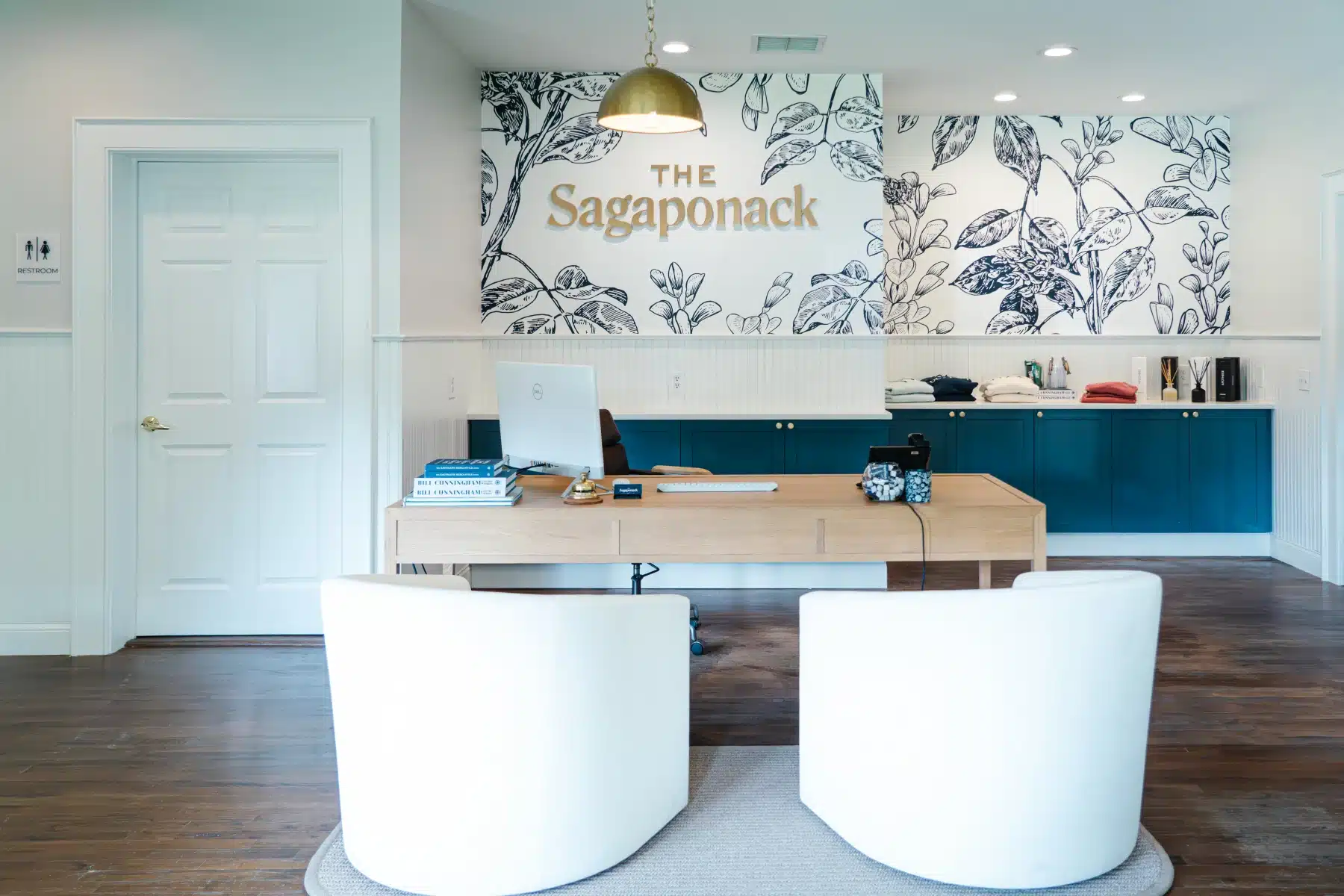
At Amerail Systems, maintaining guest experience during construction is no longer optional — it’s expected. Renovating while open isn’t just about completing a project. It’s about doing so in a way that protects the brand, supports operations, and maintains the level of quality guests expect. To see an example of how Amerail supports this approach, view our Sagaponack renovation here.
When planned correctly, renovation doesn’t have to interrupt the guest experience. It can quietly improve it. Contact us to explore how we help owners manage upgrades in active hotels.